Why Does My Drip Coffee Maker Make Weak Coffee?
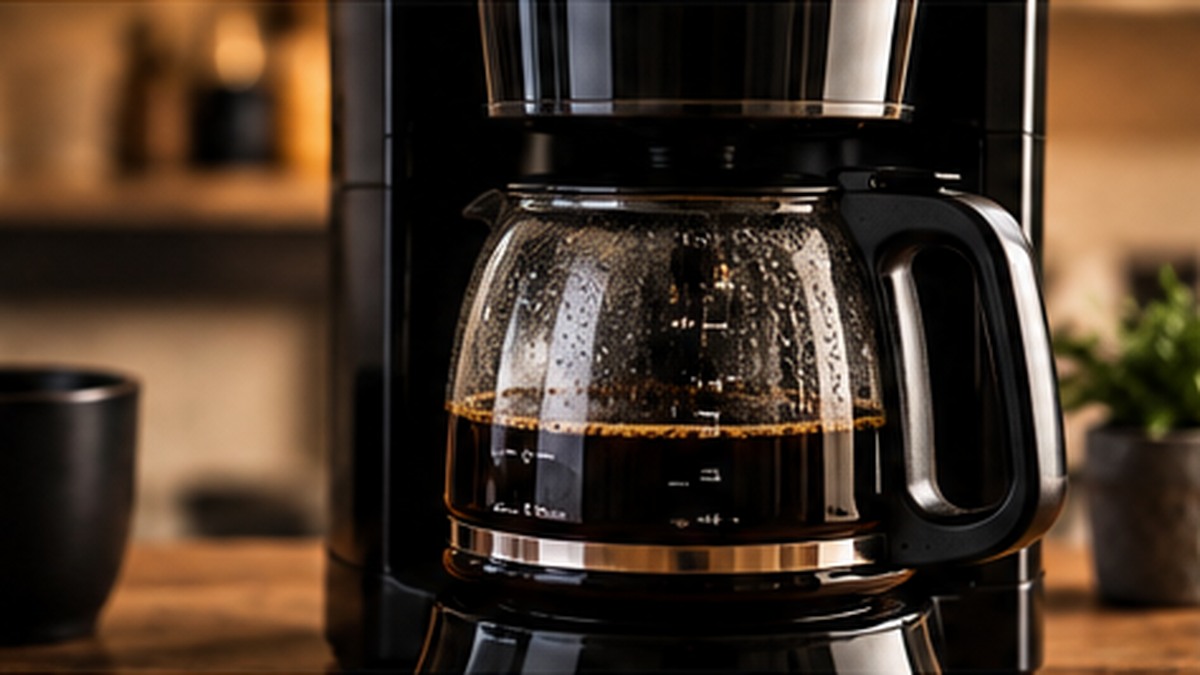
Why Does My Drip Coffee Maker Make Weak Coffee?
A drip coffee maker can produce a surprisingly bland cup even when the machine seems to be working normally. Before replacing it, check the recipe and the grind. Those two variables explain a large share of weak automatic coffee.
Start with the coffee to water ratio
The first thing to measure is how much coffee you are using relative to the water.
A common mistake is filling the machine’s reservoir to a large level and then adding only a few spoonfuls of coffee. The result is simply too dilute.
Use a kitchen scale if possible. Once you know your preferred amount of coffee per amount of water, you can repeat it every morning.
Grind size affects extraction
Drip coffee generally works well with a medium grind, although the ideal setting depends on the machine and filter.
If the grind is too coarse, water can pass through quickly and the coffee may not extract enough. The cup can taste weak or thin.
If the grind is extremely fine, the brew can become slow and bitter, and some machines may struggle with flow.
Make a modest grind adjustment and compare the result.
Check the filter
Paper filters remove oils and particles from the coffee. Different filter types can affect the body and clarity of the drink.
A poorly fitted filter can also allow water to bypass some of the grounds or create other inconsistencies. Make sure the filter sits correctly in the basket.
If you use a reusable filter, keep it clean. Old coffee residue can affect flavor.
Water temperature matters
The machine needs to heat water sufficiently for effective extraction. If the brewing water is not hot enough, the coffee can taste underdeveloped even when the ratio and grind are reasonable.
Home machines vary considerably. Some have better temperature control than others.
If you have already confirmed the recipe and grind and the coffee remains consistently weak, the machine’s brewing performance becomes more relevant.
Machine limitations are real
Not every coffee maker gives you the same level of control.
A basic machine may have a simple heating and shower system. A more capable brewer may distribute water more evenly and maintain temperature more consistently.
That does not mean an expensive machine is required for good coffee. It means there is a point where changing the recipe cannot completely overcome a machine’s limitations.
Before upgrading, make sure the basics are controlled.
Fresh coffee helps
Coffee loses volatile aromas after roasting and grinding. Pre-ground coffee can therefore become less expressive over time.
If your coffee smells flat before brewing, freshness may be part of the problem.
Grinding shortly before brewing can improve aroma and flavor, but only if the grinder produces a grind appropriate for the machine.
A simple reset recipe
For your next brew, measure the coffee and water. Use a medium starting grind and a clean filter. Make sure the machine’s reservoir and basket are clean.
Taste the result before making another change.
If it is still weak, increase the coffee dose slightly or adjust the grind a little finer. If it becomes bitter, reverse the last change.
The goal is to make small changes that you can repeat.
Practical checklist
When drip coffee tastes weak, check:
- Is there enough coffee for the amount of water?
- Is the grind too coarse?
- Is the filter installed correctly?
- Is the filter or basket dirty?
- Is the coffee reasonably fresh?
- Is the machine brewing at an appropriate temperature?
- Does the machine distribute water evenly?
Once these basics are controlled, you will have a much clearer idea of whether the machine itself is limiting the result.
Related reading
If you are getting inconsistent grounds, read Why Does My Coffee Grinder Produce So Many Fine Grounds?. You can also browse the Coffee Makers category.